Why commoning matters to the New Forest
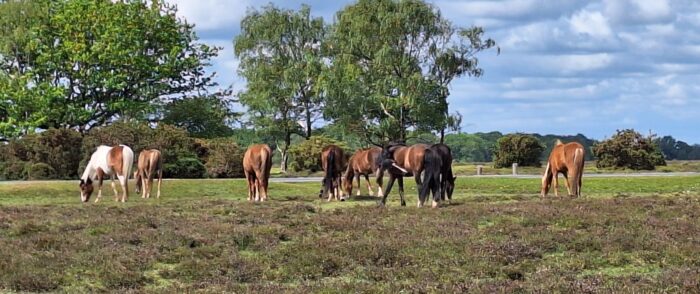
Commoning is at the heart of the New Forest, helping to shape its unique landscape, support its wildlife and maintain traditions that have been part of life here for centuries. But what exactly is commoning, and why does it remain so important today?
This blog by New Forest CDA member and Young Commoner Jake Moore explores the vital role Commoners and their animals play in caring for the Forest and keeping its special character alive for future generations.
Commoning shapes the Forest
‘What do I enjoy most about being a New Forest Commoner? For me, it’s the connection with the land.
‘It’s the lifestyle and the freedom that comes with being able to go out on the Forest with your horse and see your animals where they should be – out in the landscape, living as they have done for generations.
‘That connection is difficult to explain unless you experience it yourself. The Forest isn’t just somewhere I visit. It is part of my everyday life.
‘I think it’s really important that people understand just how important commoning and the animals are to the New Forest landscape.
‘The animals sculpt the landscape, and that is what keeps the Forest. the Forest.
‘The way ponies, cattle, pigs and other livestock graze the land creates the habitats that so many other species depend on. It allows the different plants, insects, birds and other wildlife that make the New Forest their home to survive.
‘Without the animals doing what they naturally do, the landscape would change. The grazing creates a mixture of habitats, and it is that variety that makes the New Forest such a special place.
‘So when people see livestock out on the Forest, they’re not just seeing animals. They’re seeing an important part of the way this landscape works.’
The New Forest is a working Forest
‘The New Forest is there for everyone to enjoy, and I think that’s one of the great things about it. But if you’re coming to the Forest, I’d encourage people to do a little bit of background research and learn about the place they’re visiting.
‘The New Forest is a working Forest. It isn’t a zoo or a petting farm, and the animals you see are not there for your entertainment.
‘One of the most important messages I’d like to get across is please don’t pet, feed or approach the animals.
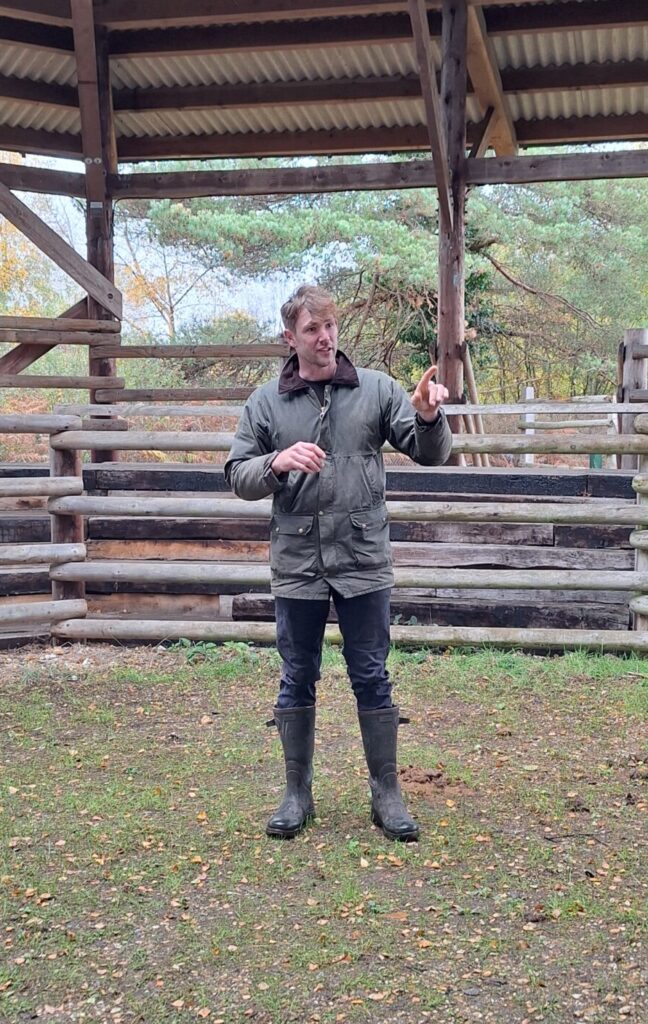
New Forest Commoner Jake Moore
‘There’s a reason they are allowed to be wild and free. They are living in their natural environment, and that’s part of the whole beauty of the New Forest.
‘If you approach them, feed them or try to interact with them, you’re changing their behaviour and potentially putting both the animals and yourself at risk.’
Respect the place you are visiting
‘Ultimately, I think it comes down to having a bit of respect for where you’re visiting.
‘When you’re in the New Forest, you’re entering a living, working landscape. The ponies and cattle grazing beside the road, the pigs out for pannage, the birds nesting on the heath – they’re all part of what makes the Forest what it is.
‘So enjoy it, explore it, take in the wildlife and the scenery, but let the animals be animals.
‘The whole beauty of the New Forest is that they are wild, they are free to roam and they are living in their natural environment. If we respect that, we can all enjoy this incredible place while helping to protect what makes it special.’

Members Login
 Latest Tweets
Follow us

@realnewforest 4h
Icilibus sam quas aut eriatem nume corepta auta conet officaborem quodi corepta auta conet officaborem quodi apernat ectlpa dolorpiaecus.
@realnewforest 4h
Icilibus sam quas aut eriatem nume corepta auta conet officaborem quodi corepta auta conet officaborem quodi apernat ectlpa dolorpiaecus.
@realnewforest 4h
Icilibus sam quas aut eriatem nume corepta auta conet officaborem quodi corepta auta conet officaborem quodi apernat ectlpa dolorpiaecus.
 Join us on Social

With thanks for support from