How the Beaulieu Road pony sales keep a New Forest commoning tradition alive
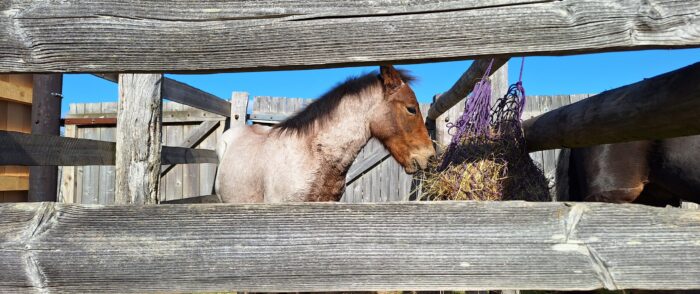
New Forest pony sales stretch back centuries and form a fundamental part of the commoning calendar.
They are far more than just a commercial outlet to buy or sell ponies, they represent a valuable opportunity for Commoners to come together and continue the living heritage and traditions of New Forest commoning.
To find out more about the importance of the sales which take place at Beaulieu Road, its history and traditions, we caught up with New Forest CDA committee member Sam Dovey, one of the directors of the New Forest Livestock Society which manages the sale yard.
How long have pony sales been taking place here in the New Forest?
‘Commoners have been selling their ponies at sales within the Forest for hundreds of years. There have been sales at Beaulieu Road for at least 50 years, although the origins go back much further. The location was originally chosen because of its proximity to the railway as years ago, ponies were often transported around the country by train.
‘Today everything’s moved by lorry or in trailers, but the historic connection to the railway explains why the sale yard was established here. The current yard underwent a major refurbishment in the early 2000s and the facilities you see today date from around this period.
What makes Beaulieu Road Sales unique compared to other livestock markets?
‘We’re the only purpose built pony sale yard in the country that’s actually based right within the area where the animals are bred – the New Forest itself.
‘It’s a naturally built sale yard, made from timber with gravel floors, like our Forest pounds, which gives it a very different feel from the concrete and steel livestock markets you find elsewhere across the country. It feels authentic and a part of the landscape.
How often do the sales take place and what animals are sold?
‘We only sell ponies at Beaulieu Road – primarily New Forest ponies and other ponies owned by Commoners. Occasionally some horses and different breeds are sold as well. We’ve talked in the past about selling Commoners’ cattle at Beaulieu Road but as yet this isn’t something we’ve done.
‘We have a sale in the spring (typically at the end of May) and two or three in the autumn, depending on the number of ponies that need to be sold. Since the pandemic, we’ve also introduced online sales, run through the New Forest Livestock Society to compliment the face to face sales we run.
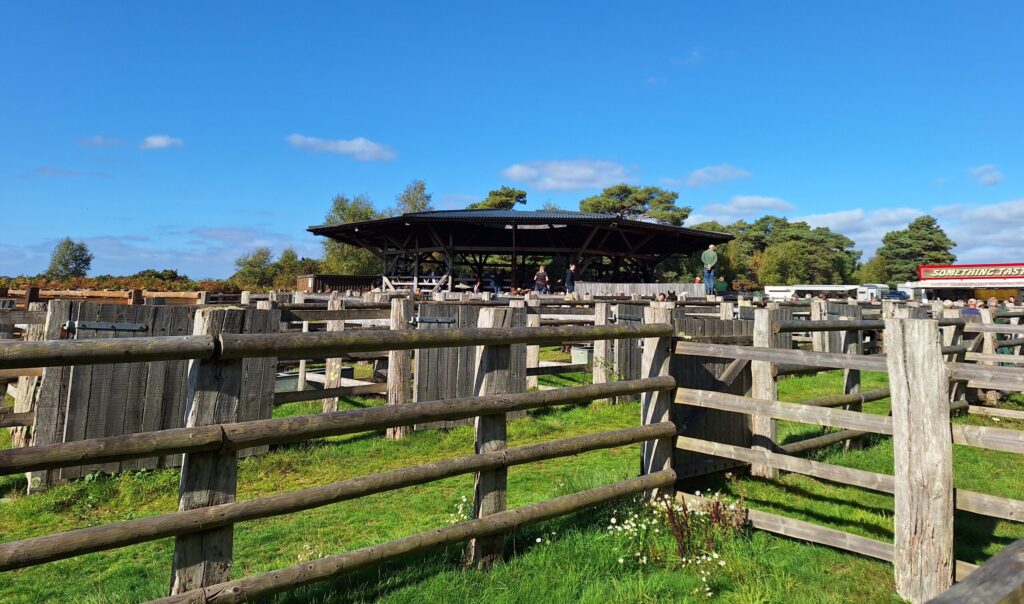
Beaulieu Road sale yard
How important are these sales to New Forest Commoners and the local community?
They’re absolutely vital. The sale yard gives Commoners an outlet for their stock within the Forest where ponies can be sold collectively rather than individually. It’s a focal point for anyone interested in purchasing a New Forest pony and ensures that the animals don’t have to be transported far from a Commoner’s holding to be sold.
‘Having this communal place where Commoners can sell their animals is really important both for the ponies and the Commoners themselves. It’s a place where Commoners can meet and catch up with each other, so it’s got an important human and cultural element to it as well.
What typically happens to the ponies after the sales?
‘There’s a great variety of different buyers, Some ponies are bought by other Commoners to add to, or diversify their herds, while others are purchased by local families for leisure or breeding. Many are sold for similar uses to buyers from all across the UK.
‘We’ve had people come down from as far as Cumbria and even Scotland to buy at Beaulieu Road, so the ponies sold here really do find new homes all over the country.
Are there any traditions or rituals that take place on sale days?
‘We always start the day of the sale very early. While the Commoners are getting their ponies ready to bring, the handlers and the team from the Livestock Society meet before the ponies arrive to check everything at the yard is in order from signs, lighting and water, to toilets and car parking. It’s become a bit of a ritual in itself, making sure the site is fully prepared before the day begins and before people and ponies arrive.
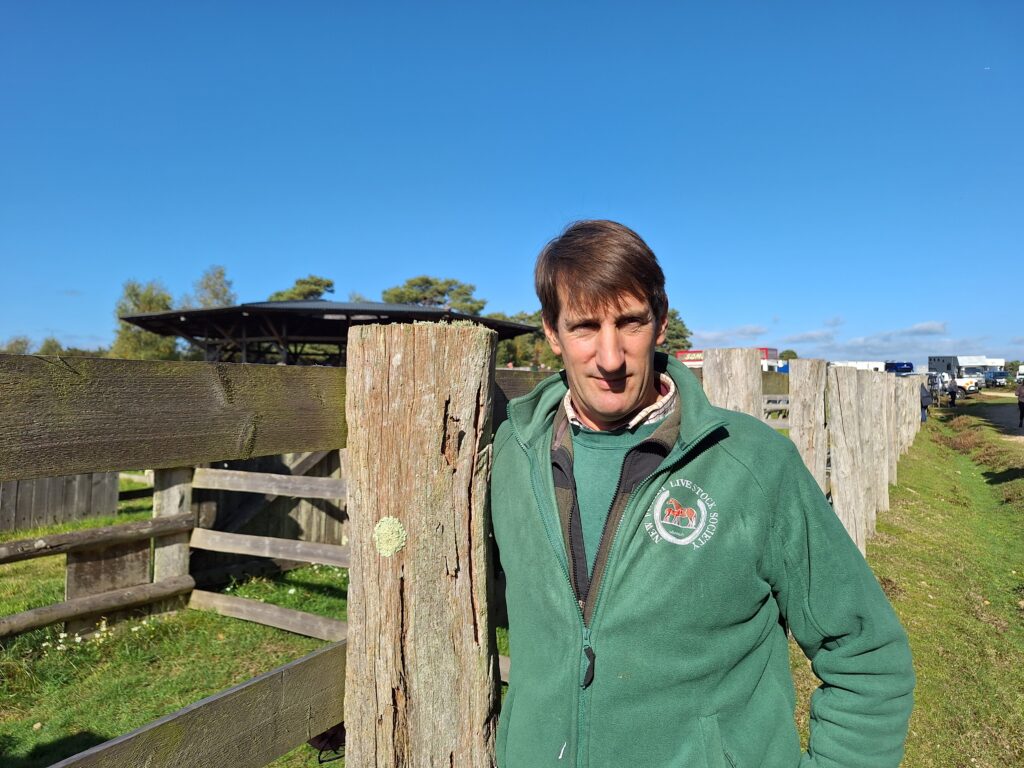
One of the New Forest Livestock Society directors, Sam Dovey
Do you have any particularly memorable moments from past sales?
‘In the last 30 years that I’ve been coming to the sales, things have changed with the times. We now see much smaller numbers being sold at each sale. We typically have maybe 80 to 100 ponies per sale now, whereas in days gone by there would have been 500 or 600 ponies at a sale.
‘I do have fond memories of when there were so many ponies. We’d often be working well into the evening, sorting and loading ponies under strings of lights balanced on poles to help us see what we were doing. Once everything was done and all the ponies loaded up and gone, we’d head across to the pub in time for last orders.
‘They were good times and memories, because that wouldn’t really happen these days, but years ago we’d regularly be here late into the evening.’
For someone who’s never been, what would you say to encourage them to visit?
‘I’d recommend people come along – if for nothing else than the experience to see how these unique sales are run.
‘It’s a great thing to come and see. There are refreshments, plenty of parking, often some other stalls selling equestrian goods and it’s just a great atmosphere in the heart of the New Forest. It’s a super day out.
‘And of course we have some beautiful ponies that come through the sales – we have foals, older ponies and sometimes ones which haven’t been broken in, so if you’re interested in the New Forest breed or starting or adding to your herd, then it’s an excellent place to come.
What does Beaulieu Road mean to you personally?
‘It means a great deal. The New Forest pony, the sale yard and the New Forest Livestock Society are all things close to my heart.
‘Apart from the fact it’s one of our Forest traditions and is a focal point for the commoning community in the spring and autumn, it’s been part of my life in the Forest for as long as I can remember.
‘Over the years, we’ve seen lots of changes like fewer ponies, new sale formats, even pre-sale show classes added in recent years – but it remains a great focal point for a Commoner’s life in the Forest.’
If you are interested in purchasing a pony at the Beaulieu Road sales, check out the buyer’s guide on the New Forest Livestock Society website
Members Login
 Latest Tweets
Follow us

@realnewforest 4h
Icilibus sam quas aut eriatem nume corepta auta conet officaborem quodi corepta auta conet officaborem quodi apernat ectlpa dolorpiaecus.
@realnewforest 4h
Icilibus sam quas aut eriatem nume corepta auta conet officaborem quodi corepta auta conet officaborem quodi apernat ectlpa dolorpiaecus.
@realnewforest 4h
Icilibus sam quas aut eriatem nume corepta auta conet officaborem quodi corepta auta conet officaborem quodi apernat ectlpa dolorpiaecus.
 Join us on Social
With thanks for support from